Why Renewable Energy Matters?
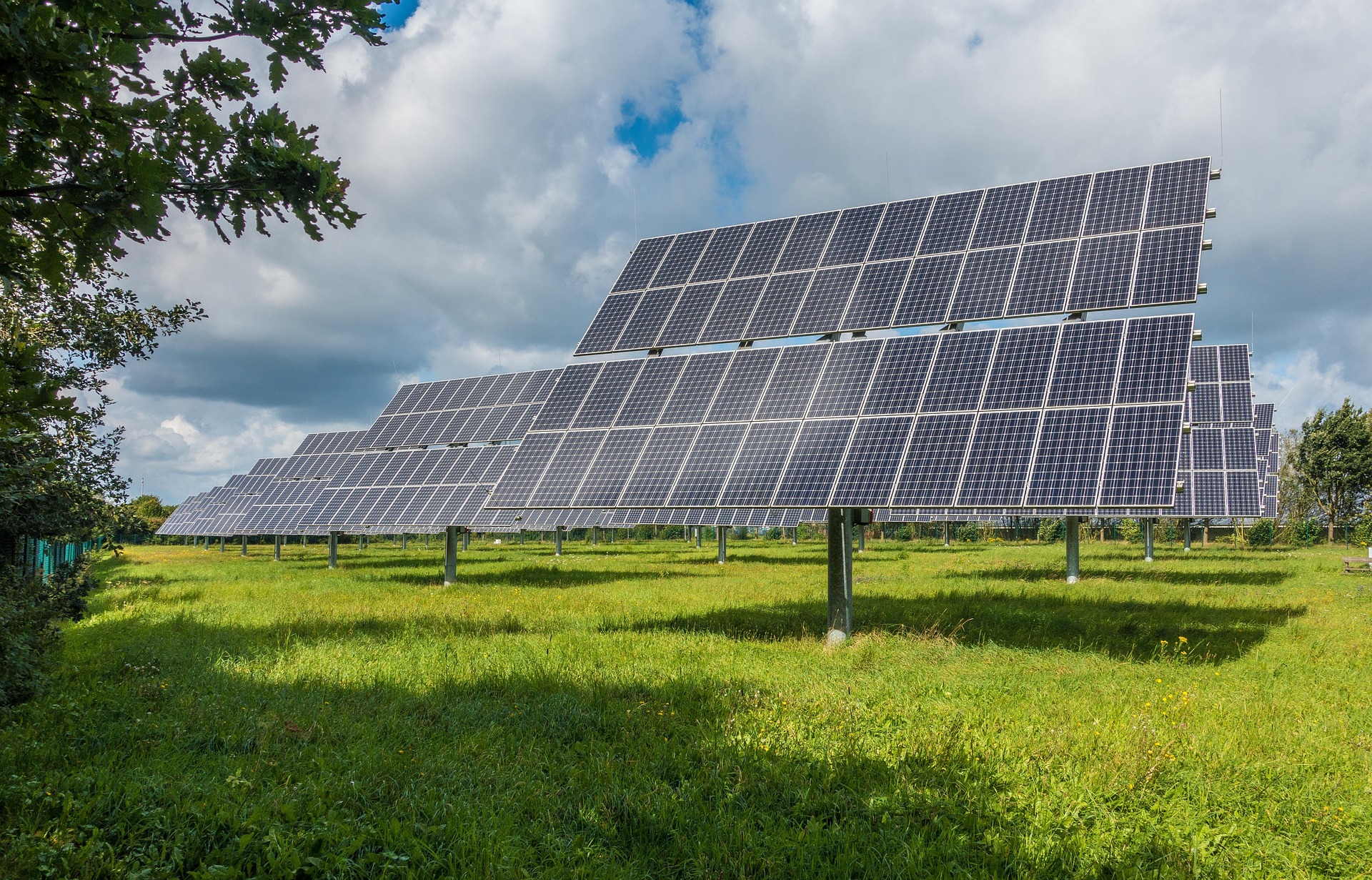
Renewable energy sources are key to sustainable living. Small changes, like using solar panels or wind turbines can make a big difference in reducing our carbon footprint. Renewable energy tips help people save energy, cut costs, and protect the planet through simple, sustainable actions.

Renewable energy tips are vital because they empower everyone to create a cleaner, sustainable future.
Types of Renewable Energy sources:

Solar Energy
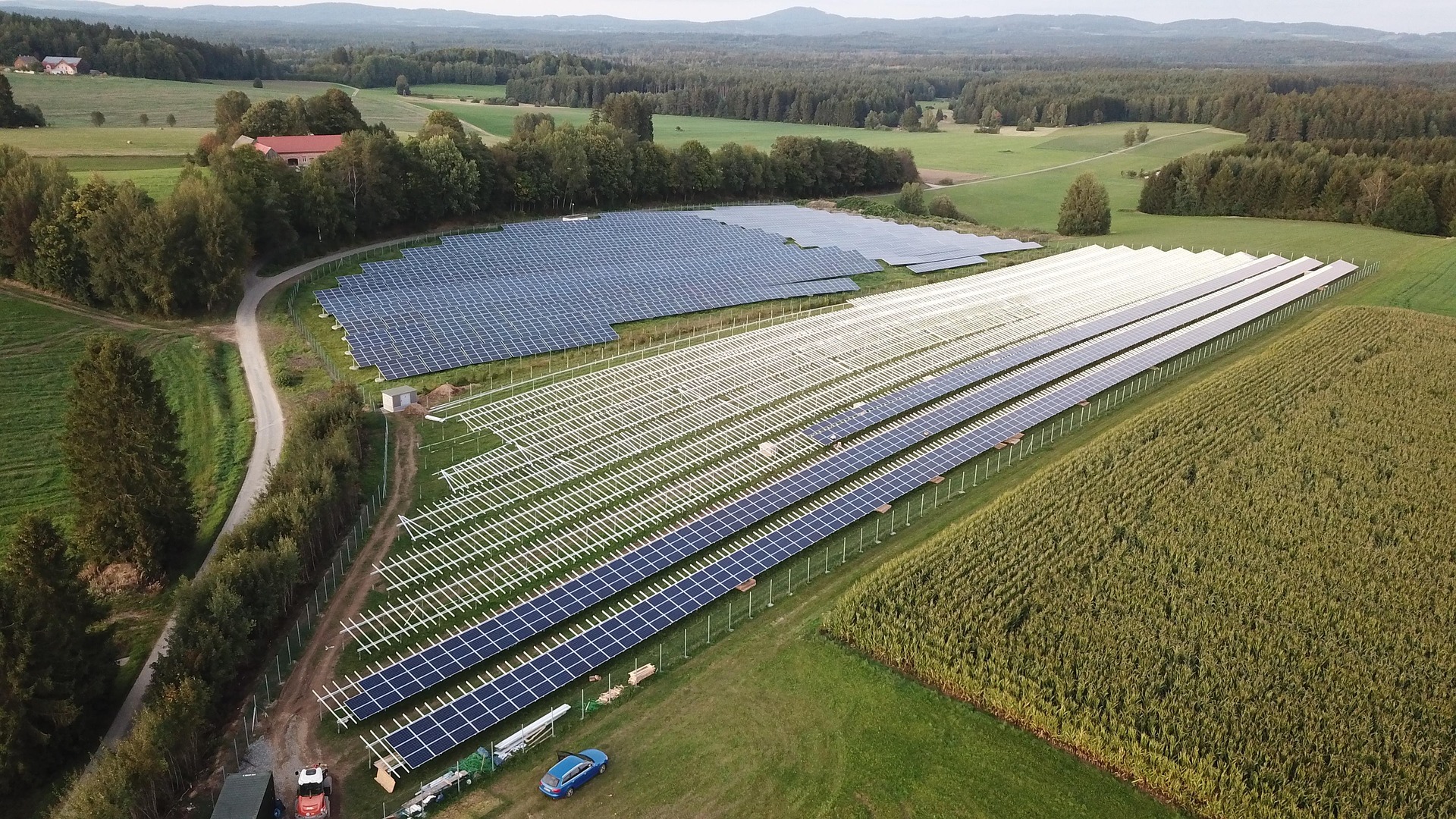
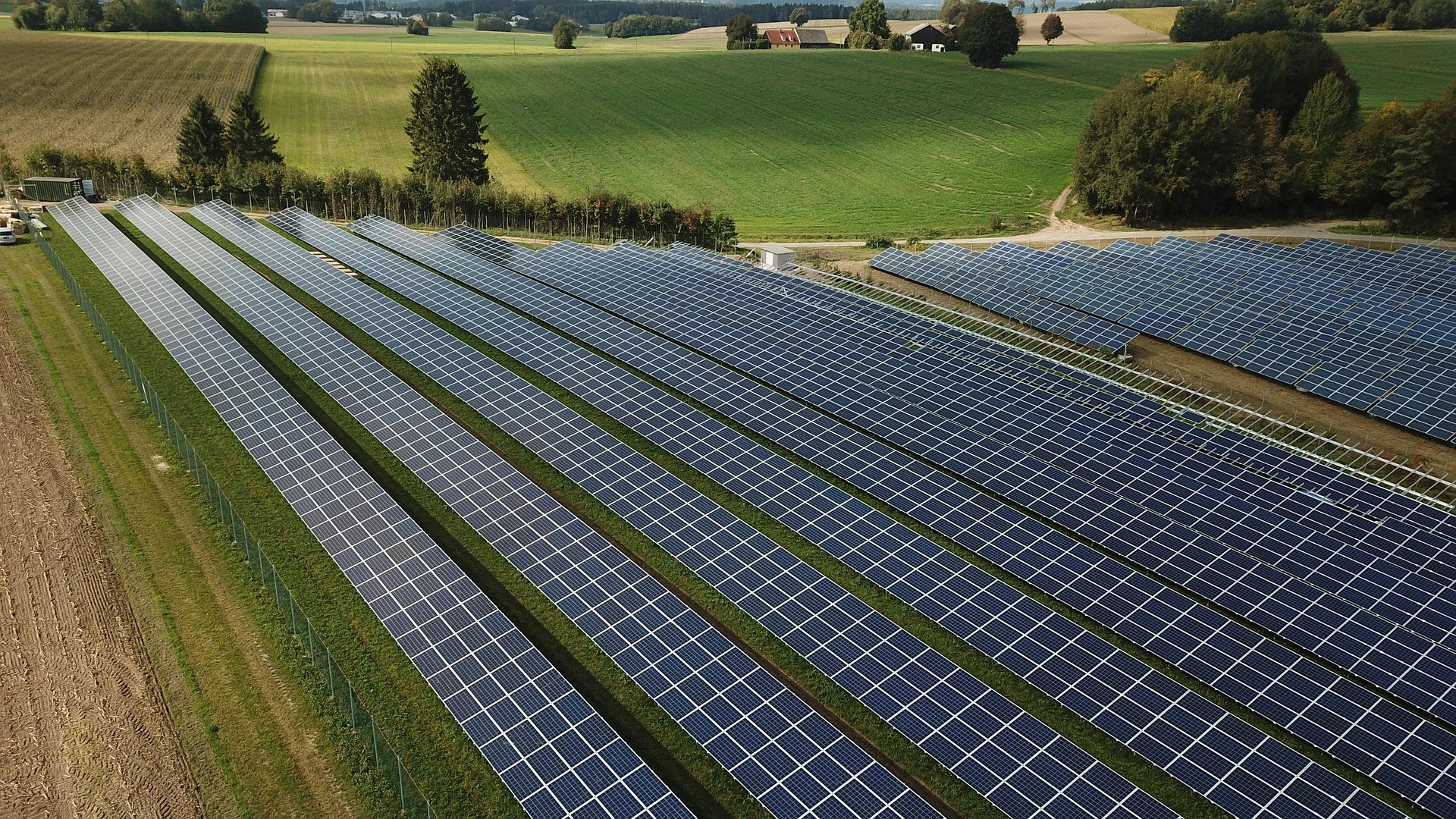
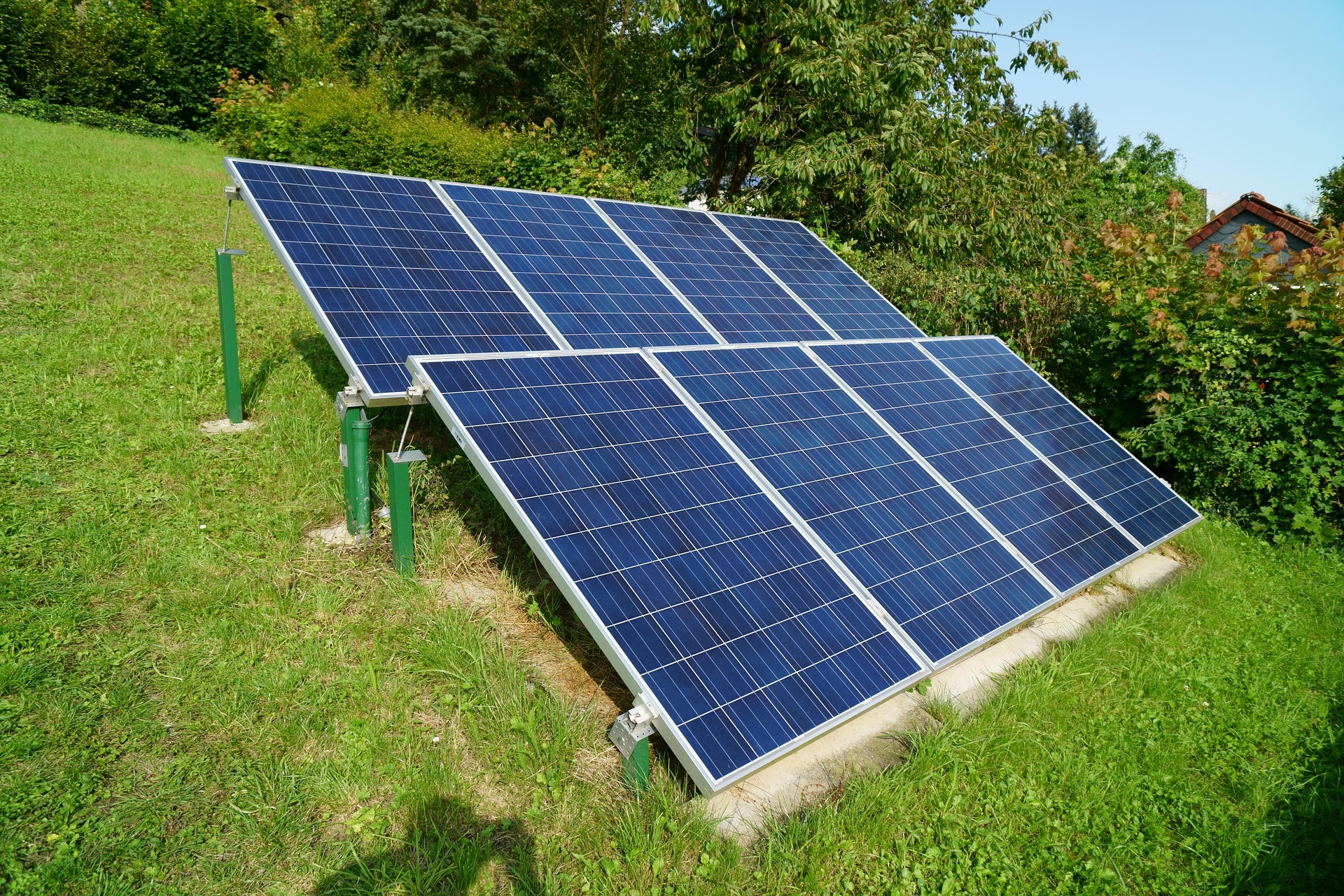
Solar energy is one of the most powerful and accessible forms of renewable energy. It captures the sun’s radiation and converts it into electricity or heat through various technologies like solar panels (photovoltaic cells) and solar thermal systems. When sunlight hits the solar cells, it excites electrons, producing a flow of electricity that can be used to power homes, offices, and even entire cities. In solar thermal systems, mirrors or lenses concentrate sunlight to generate heat, which is then used to produce steam and drive turbines.
.png)
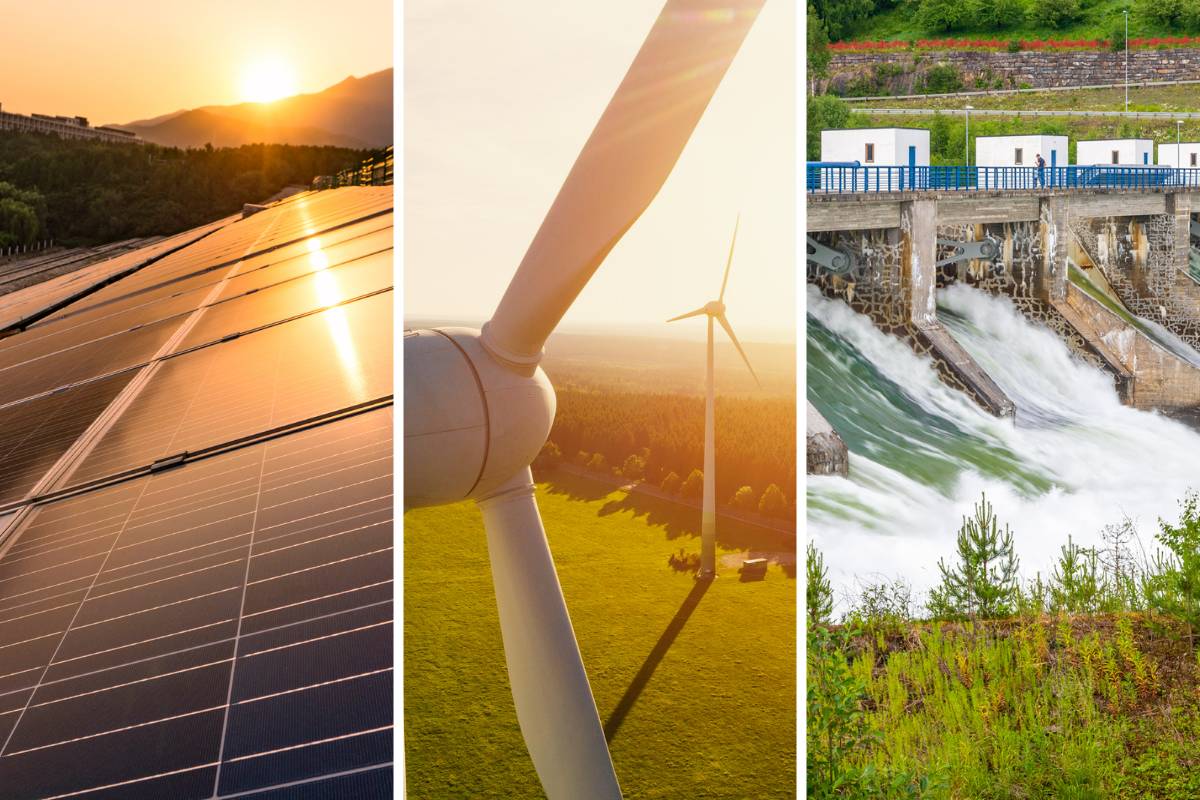
Solar energy is vital because it provides clean, limitless power from the sun, reducing our reliance on fossil fuels and protecting the planet.
Wind Energy

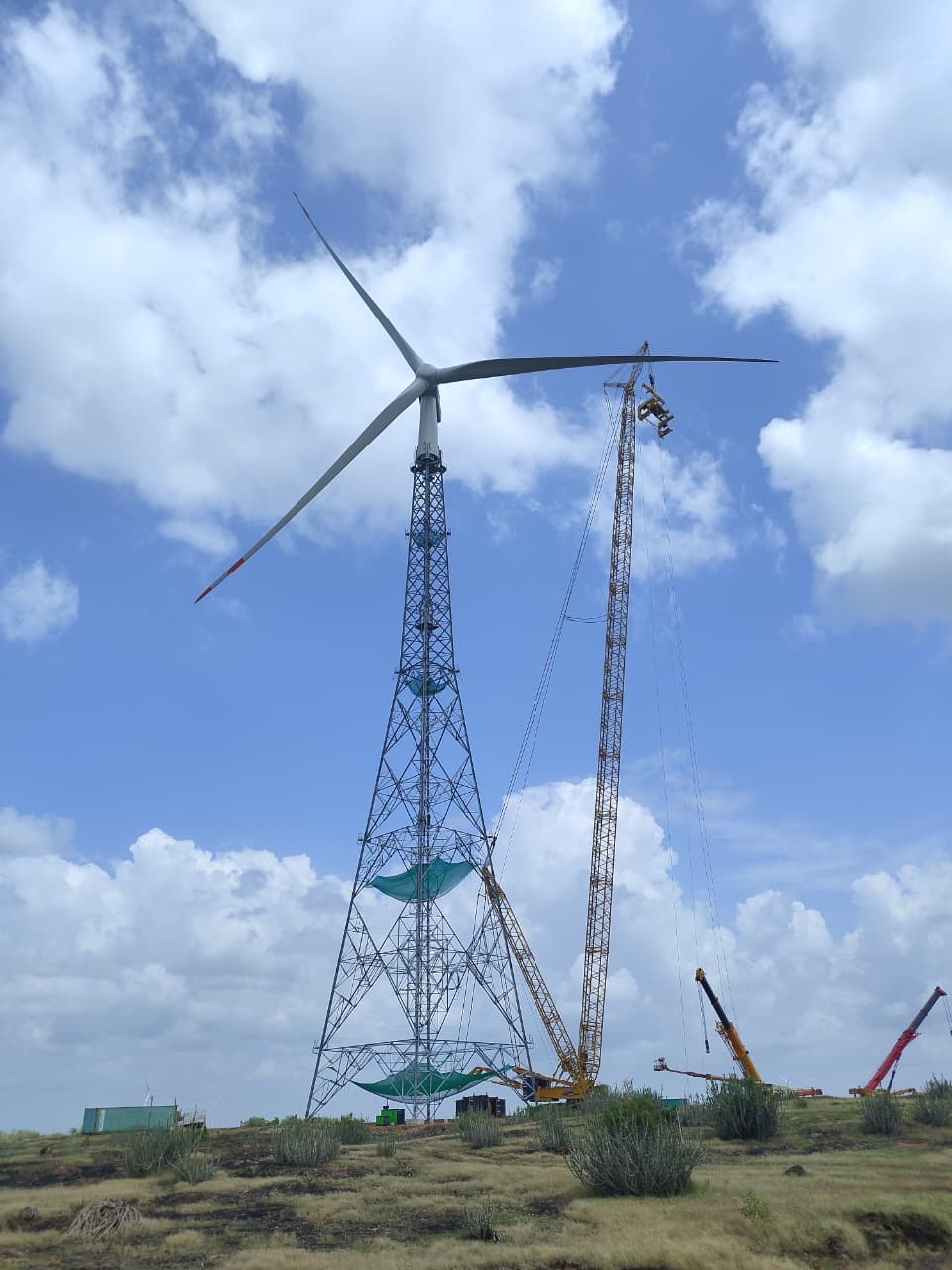
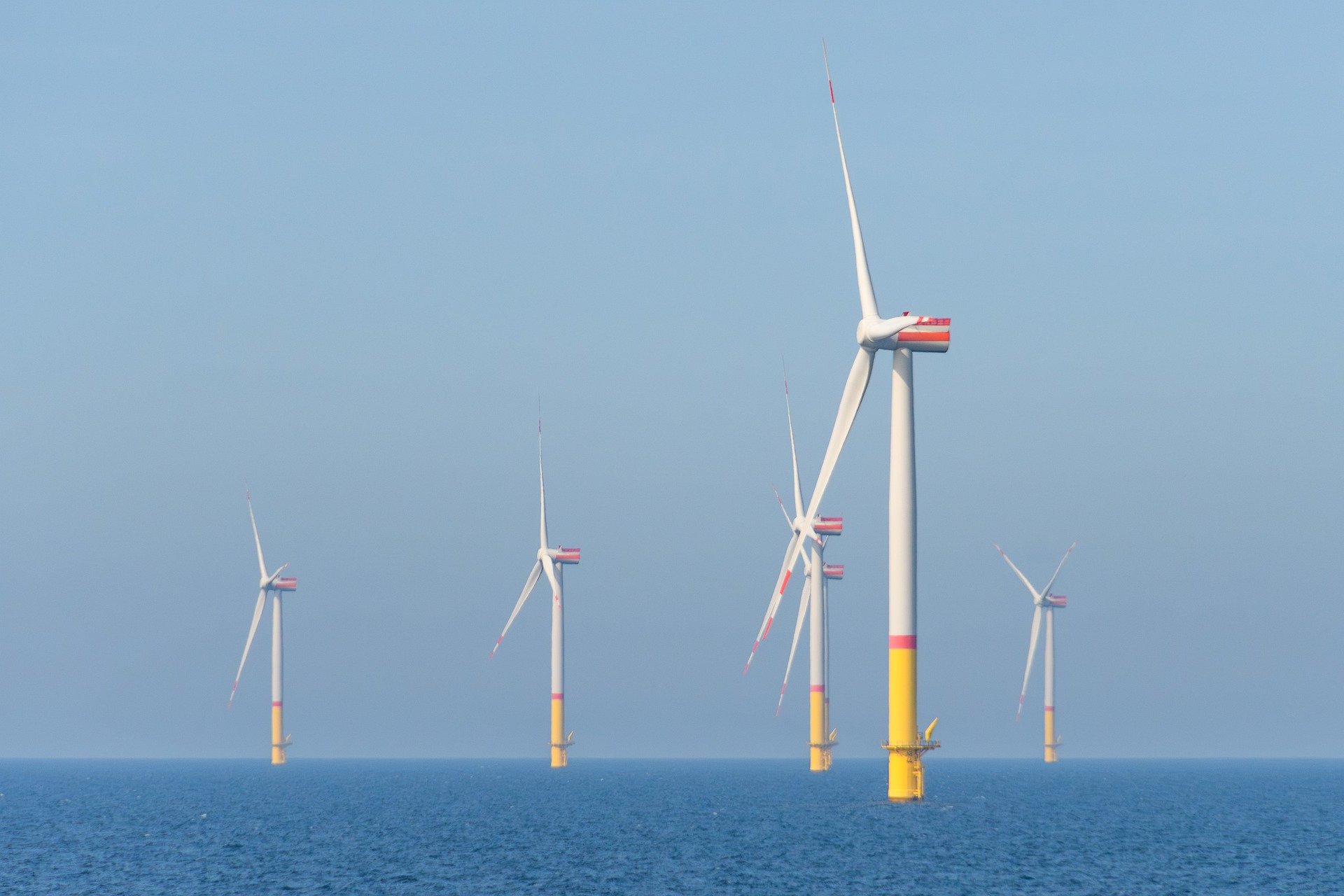
Wind energy is the power generated by converting the movement of air into electricity using wind turbines. When the wind blows, it rotates the turbine blades, which spin a rotor connected to a generator, producing clean and sustainable power. It is one of the fastest-growing renewable energy sources in the world because it is abundant, cost-effective, and environmentally friendly. Wind energy can be harnessed both onshore (on land) and offshore (in oceans or large lakes), where winds are stronger and more consistent. Common examples include large wind farms that supply electricity to cities, small wind turbines used in rural or remote areas, and offshore wind projects that provide large-scale clean energy to coastal regions.

Wind energy stands out as a limitless force of nature, turning the invisible power of the wind into clean electricity that drives a sustainable future.
Hydro Energy
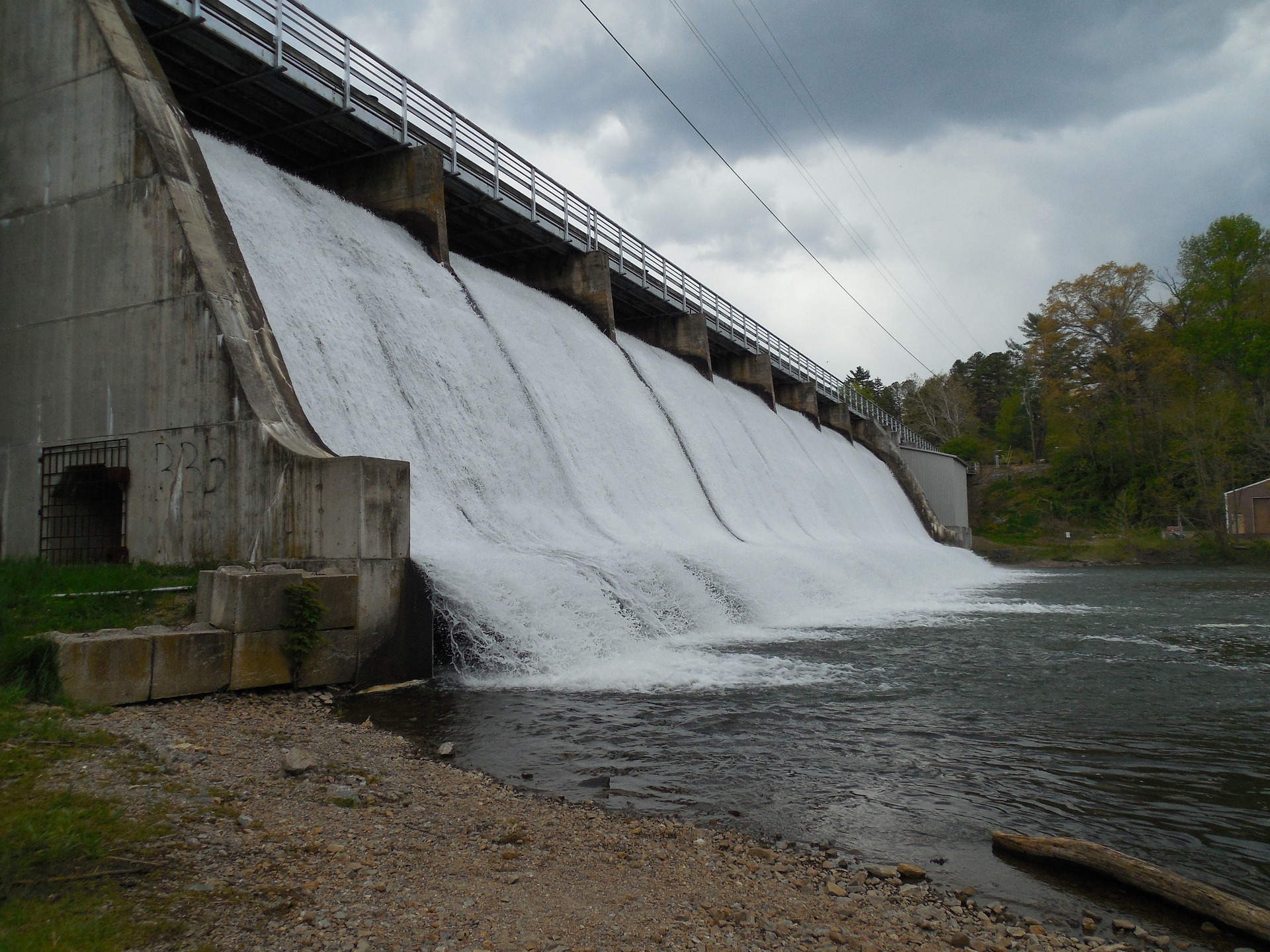

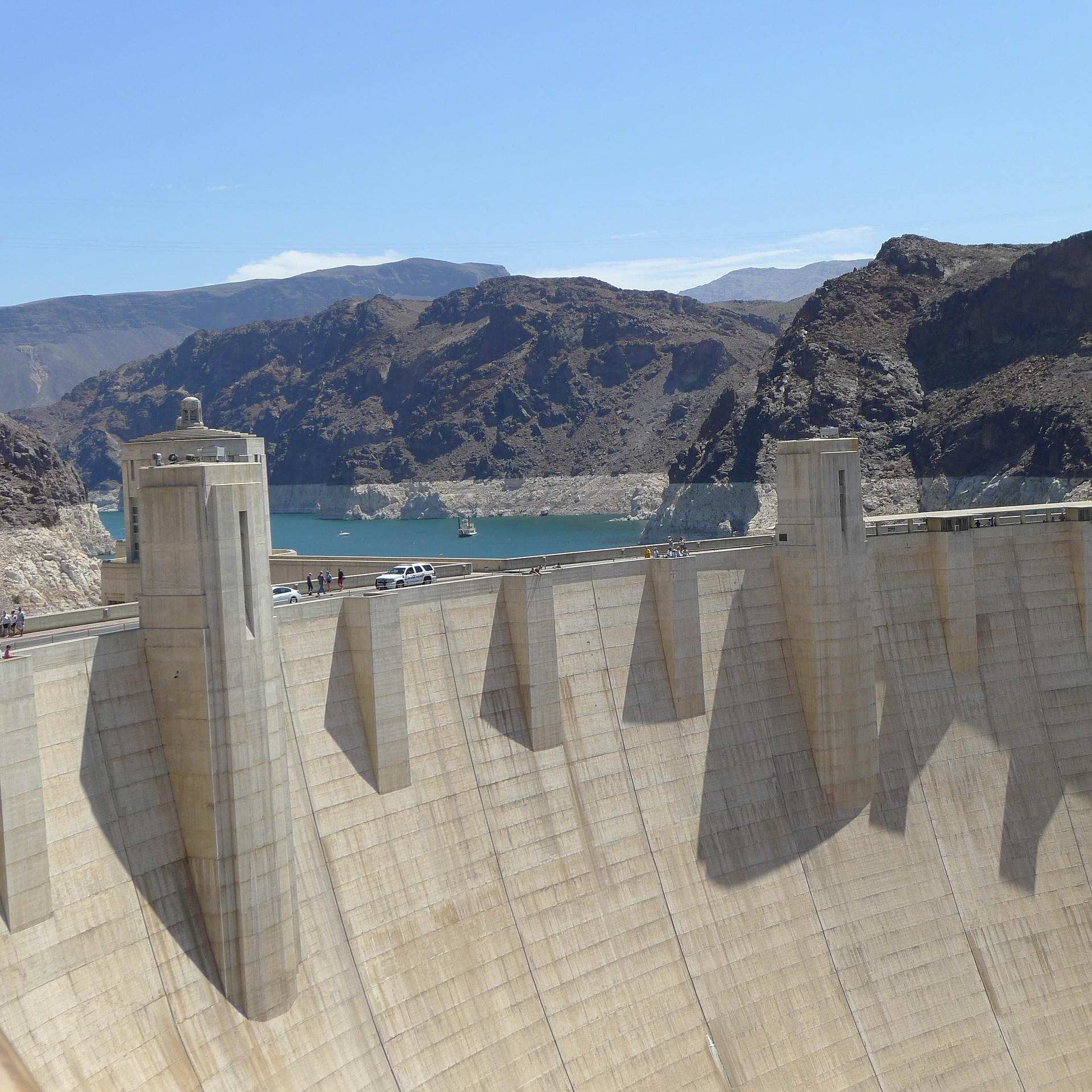
Hydropower is the generation of electricity using the energy of flowing or falling water. It works by directing water through turbines that spin generators to produce power, making it one of the most reliable and consistent forms of renewable energy. Hydropower plants are often built near rivers, dams, or waterfalls, where the natural movement of water can be efficiently captured. This energy source not only produces clean electricity but also helps in water management, irrigation, and flood control. Common examples include large hydroelectric dams like the Bhakra Nangal Dam in India or the Three Gorges Dam in China, as well as smaller micro-hydro systems that power rural or remote communities sustainably.
Hydropower is vital because it transforms the natural flow of water into steady, renewable electricity while supporting water conservation and community development.
Ocean Energy



Ocean energy harnesses the immense power of the seas through waves, tides, and ocean temperature differences to generate electricity. This renewable source is highly reliable because ocean movements are predictable and constant. Technologies like tidal turbines, wave energy converters, and ocean thermal energy systems capture the kinetic and thermal energy of water to produce clean power. Ocean energy not only offers vast untapped potential but also has minimal environmental impact, making it a promising solution for coastal regions and island nations aiming for sustainable energy independence.

Ocean energy is powerful because it captures the endless motion of the sea to produce clean, reliable electricity for a sustainable future.
Biomass Energy



Biomass energy is produced from organic materials such as plant waste, wood, agricultural residues, and even animal manure. These materials are burned or converted into biofuels like biogas, bioethanol, or biodiesel to generate heat and electricity. Since the carbon released during energy production is roughly equal to the carbon absorbed by plants during their growth, biomass is considered a carbon-neutral source when managed sustainably. It helps reduce waste, supports rural economies, and provides an efficient way to recycle natural resources. Common examples include biogas plants, wood pellet systems, and biofuel-powered vehicles that offer a renewable alternative to fossil fuels.

Biomass energy is important because it turns organic waste into clean fuel, reducing pollution while recycling nature’s resources sustainably.